

### Blog Post:
Low GWP refrigerant heat pump technology is transforming heating and cooling in 2024 by meeting strict environmental standards and changing how homes are equipped, serviced, and replaced. If you’re looking at replacing your system or planning new construction, understanding these new refrigerants is crucial to compliance, safety, and long-term savings.
Key Takeaways
- New heat pump systems using R-454B or R-32 are required for most residential installations from 2025 onward to meet low GWP rules.
- Switching to a low GWP refrigerant heat pump means changes in safety handling, system compatibility, and sometimes price.
- Legacy R-410A systems are not illegal to use, but must be replaced with compliant equipment when the time comes.
- What is a Low GWP Refrigerant Heat Pump & Why Does It Matter?
- Upgrading or Installing a Low GWP Heat Pump: Step-by-Step
- Advanced Analysis & Common Pitfalls
- Conclusion
- Frequently Asked Questions
What is a Low GWP Refrigerant Heat Pump & Why Does It Matter?
A low GWP refrigerant heat pump uses a refrigerant with a Global Warming Potential (GWP) below 700, in line with recent EPA regulations for residential HVAC systems. The main alternatives in 2024 are R-454B (GWP 465), R-32 (GWP 675), and R-290 (extremely low GWP, but less common in whole-house heat pumps). These refrigerants satisfy new rules designed to curb climate impact from traditional high-GWP refrigerants like R-410A (GWP 2,088).
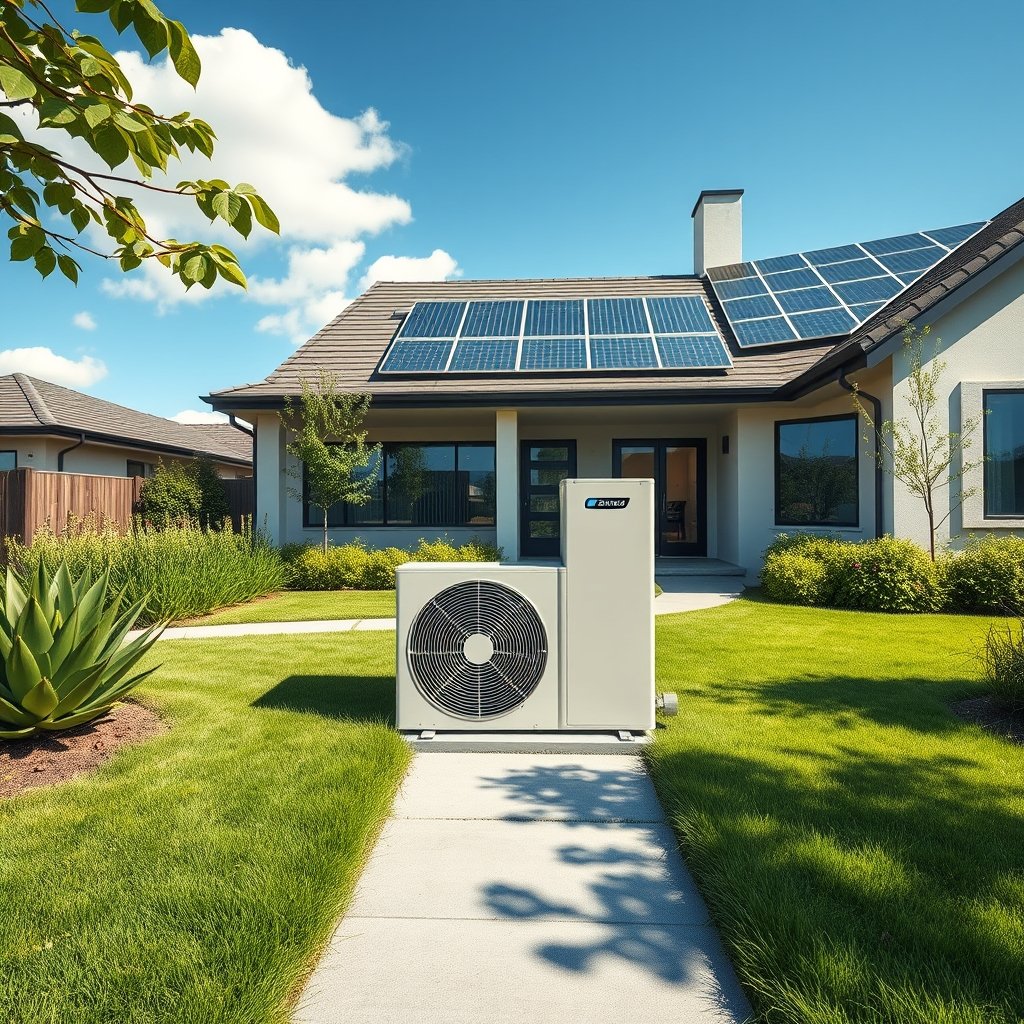
Regulatory deadlines mean that from 2025 forward, newly manufactured residential heat pumps must use low GWP refrigerants. This affects system design, installation, safety protocols, and service. For detailed guidance on selecting compliant equipment, see heat pump vs central AC cost. If you’re curious about what GWP means for other appliances, check out mini split options for unique spaces.
Upgrading or Installing a Low GWP Heat Pump: Step-by-Step
- Check Your Existing System’s Refrigerant. Look for the refrigerant type on the unit’s nameplate or documentation. If it lists R-410A or R-22, know that these do not meet the new GWP standards for newly manufactured systems. For exact compliance timetables, review guidance from the EPA Technology Transitions rule.
- Plan for Compliance and Safety. From January 1, 2025, any new residential heat pump must use R-454B, R-32, or another refrigerant with GWP ≤ 700. Flammability ratings for these refrigerants are A2L (mildly flammable), affecting installation and service procedures. Learn more in our article on heat pump upgrades.
- Understand Equipment Differences. R-454B and R-32 systems are not drop-in retrofits for older R-410A units. Design changes in coils and heat exchangers may be required to keep capacity and efficiency within expected limits.
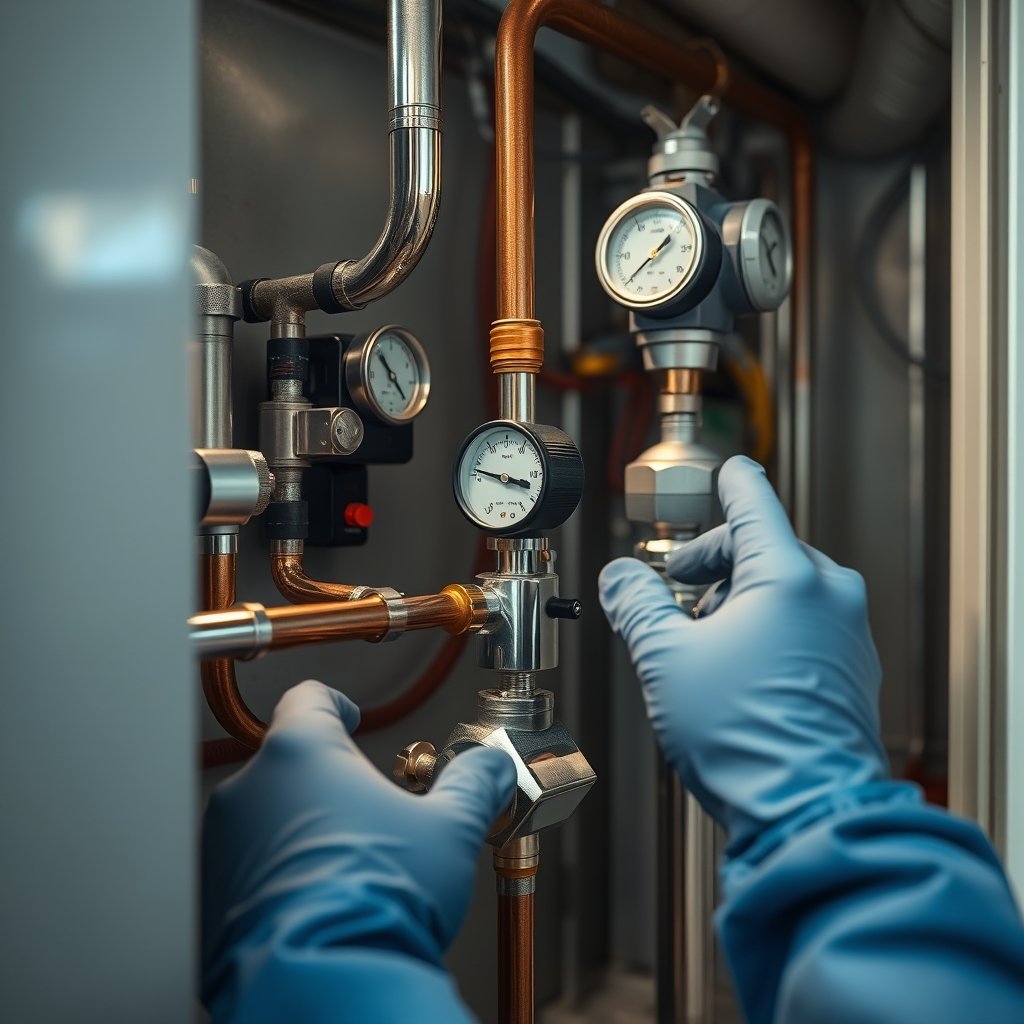
- Hire Qualified Installers. Choose contractors with experience in handling A2L refrigerants, as these require new tools, leak detection methods, and specific safety precautions not needed with traditional (A1) refrigerants.
- Prepare for Replacement or Servicing Needs. When an old system fails, its replacement will nearly always need to meet current low-GWP rules. Existing systems can typically be serviced as long as the original refrigerant is available, but system replacements must be compliant.
For a practical example of system sizing and feature choices for modern heat pumps, explore 12000 BTU mini split room size.
To learn how heat pumps perform in cold climates, our guide on cold climate mini splits in Scandinavia offers actionable insights.
Advanced Analysis & Common Pitfalls
The move to low GWP refrigerants brings benefits, but there are real-world complications and common user pitfalls:
- GWP Compliance Isn’t Everything: A unit may meet GWP rules but still require extensive installation changes, adding to project cost and complexity.
- Capacity and Efficiency Confusion: R-454B is designed to match or slightly exceed R-410A efficiency (source). However, capacity may drop if systems aren’t engineered specifically for the new refrigerant. Small changes in coil or heat exchanger size matter—a subtlety missed in many competitor comparisons.
- Retrofitting Risks: Installer shortcuts or lack of experience with A2L refrigerants may lead to code problems or decreased performance. Don’t count on reusing all existing piping or components without a professional assessment.
- Safety Changes: R-454B and R-32 are classified as A2L—mildly flammable. Technicians must adopt updated leak testing, evacuation pumps, and labeling procedures, and some regions have extra building code requirements.
- Limited Real Price Transparency: 2024 retail price data is hard to pin down due to variable markups and the evolving supply chain; expect costs to fluctuate as manufacturers switch lines and train contractors.
| Refrigerant | GWP | ASHRAE Safety Class | Key Limitations | Manufacturer/Official Advice |
|---|---|---|---|---|
| R-454B | 465-466 | A2L (mildly flammable) | Needs purpose-built system; not a direct drop-in for R-410A. Performance can vary by system design. | Approved for new equipment by leading brands. Follow new A2L safety procedures. [ACHR News] |
| R-32 | 675 | A2L (mildly flammable) | A2L handling required. System and service differences vs. legacy refrigerants. | Used worldwide; follow A2L rules; check local code. |
| R-290 (propane) | Very low; no exact GWP listed (recognized as <700) | High flammability (hydrocarbon) | Strict charge limits; less common for ducted systems. | Manufacturer use mainly in specialty or non-ducted systems. |
| R-410A (legacy) | 2,088 | A1 (nonflammable) | Being phased out for new equipment; cannot meet new rules starting 2025. | Still serviceable in existing units, but not allowed for new installs after deadline. |
Resourceful homeowners often overlook that new safety codes may require updated leak detectors, relabeling, and evacuation pumps compatible with A2L refrigerants.
For more on common heat pump issues and solutions, our coverage on Daikin mini split troubleshooting may save time and money.

Conclusion
The 2024–2025 transition to low GWP refrigerant heat pump systems is a major shift for homeowners, contractors, and manufacturers alike. Knowing your refrigerant type, understanding GWP thresholds, and working with qualified professionals ensures code compliance and family safety. When replacing or upgrading heating and cooling equipment, always verify that the system uses a low GWP refrigerant and is installed with up-to-date protocols. The low GWP refrigerant heat pump is here to stay—make informed choices and protect your investment.
Ready to upgrade your comfort and compliance? Consult an experienced HVAC contractor to evaluate options for your home, or browse more actionable guides on our site.
Frequently Asked Questions
What does GWP mean in heat pump refrigerants?
GWP, or Global Warming Potential, measures how much heat a refrigerant will trap in the atmosphere over 100 years compared to CO2. Lower GWP means less environmental impact. Modern heat pumps now use refrigerants with GWP below 700 to meet new regulations.
Will my old R-410A heat pump become illegal after 2025?
No, existing R-410A systems are not banned from use. But new residential heat pump systems manufactured from 2025 onward must use low GWP refrigerants like R-454B or R-32. When your old unit needs replacement, only compliant systems may be installed.
Are low GWP refrigerants safe for homes?
R-454B and R-32 are classified as A2L or mildly flammable but low in toxicity. With proper system design, professional installation, and code-compliant service, they are considered safe for residential use. Always use trained technicians familiar with A2L protocols.
How can I check what refrigerant my heat pump uses?
Check the nameplate on the outdoor unit or consult your owner’s manual. Common refrigerants are listed as R-410A, R-32, or R-454B. If unsure, your HVAC technician can verify this during a maintenance visit.
Does switching to a low GWP refrigerant heat pump cost more?
New equipment designs and installation practices for low GWP refrigerants may add to upfront costs. However, operating costs are similar, and future regulatory compliance is built in. Always compare quotes and ensure clarity on refrigerant types and installation requirements.