

### Blog Post:
Cold climate heat pump technology has changed the game for homeowners facing harsh winters, but knowing whether it will truly keep you warm—and save on bills—takes more than reading the spec sheet. This guide cuts through the confusion with 2024 real-world data, clear cost realities, and honest pitfalls to watch for before you invest.
Key Takeaways
- Modern cold climate heat pumps reliably deliver heat at temperatures down to -22°F or below and can be over twice as efficient as electric resistance even in deep cold.
- Correct sizing, installation, and asking for key low-temperature specs are critical—many “not keeping up” complaints trace back to installation or model selection errors.
- Upfront cost is higher vs a basic furnace, but lifetime savings can be substantial if electricity rates are good and the system is properly matched to your home and climate.
- Understanding Cold Climate Heat Pumps: What Makes Them Different?
- How to Choose, Size, and Install Your Cold Climate Heat Pump
- Advanced Analysis & Common Pitfalls: What Can Go Wrong?
- Conclusion: Should You Switch?
- Frequently Asked Questions
Understanding Cold Climate Heat Pumps: What Makes Them Different?
Cold climate heat pumps are built to deliver real heat in real winter, staying efficient and comfortable even when the mercury drops. Unlike older heat pumps that struggled below freezing, the latest models use inverter-driven compressors and advanced refrigerant cycles to provide stable heating down to -22°F or colder. Their secret? Superior performance scores—look for HSPF2 ratings from 8.5 to 10.5+, and verified ability to retain 70% or more heating capacity at 5°F.
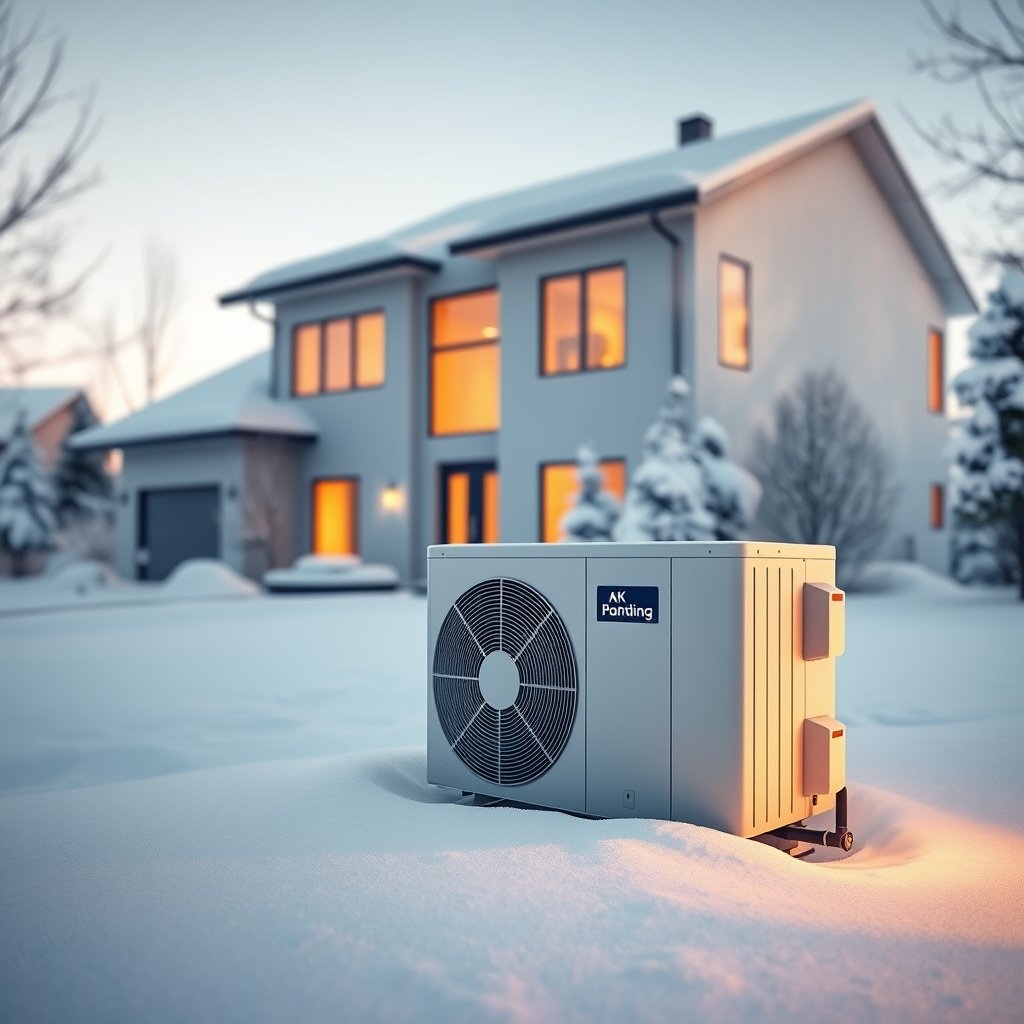
What’s game-changing here is not just the rating sticker, but the practical result. High-end cold climate systems can operate efficiently at -22°F and keep room temperatures steady, where basic legacy heat pumps or electric resistance heaters quickly lose output and gobble up your utility budget. For those in areas like Minnesota, northern New England, or Canada, these systems are now a viable alternative to gas or oil—if you choose carefully and get the install right. Learn more about how SEER, HSPF, and real-world heat pump efficiency work in cold climates.
If you are concerned about refrigerant rules or efficiency upgrading, also see our Low GWP Refrigerant Heat Pump guide for upcoming standards.
How to Choose, Size, and Install Your Cold Climate Heat Pump
If you want your cold climate heat pump to succeed where others have failed, follow these detailed, data-backed steps:
-
Get an Energy Load Calculation
Have a professional run a “Manual J” heat loss calculation for your home. Never size by square feet or guesswork. Every draft, window, and insulation gap counts more in cold weather. -
Demand Cold-Climate Certification
Choose only units labeled as “cold-climate” meeting or exceeding ENERGY STAR cold-climate criteria—COP at 5°F of at least 1.75, and 70% or more of rated capacity at that temperature. -
Check HSPF2 and COP at 5°F
For ductless models, pick HSPF2 8.5+ (NEEP criteria) and look for “COP at 5°F” to see real efficiency in deep cold. For ducted, don’t go below HSPF2 7.7. -
Ask for Capacity Retention Data
Top systems will maintain close to 100% nominal output at 5°F, and at least 70% at -22°F. If these numbers are missing, move on. -
Consider backup heat—But Minimize Its Role
All cold climate heat pumps include some kind of backup (often electric resistance). Choose a strategy based on your local utility rates and how cold your winters get. If you’re in an area with brutal lows, ask about dual-fuel or staged backup options for peace of mind. -
Insist on Quality Installation
Sizing and refrigerant charge errors are by far the leading reason heat pumps “don’t keep up.” Choose an installer with verifiable cold-climate experience. Insist they test and verify system capacity after startup. -
Plan for Maintenance
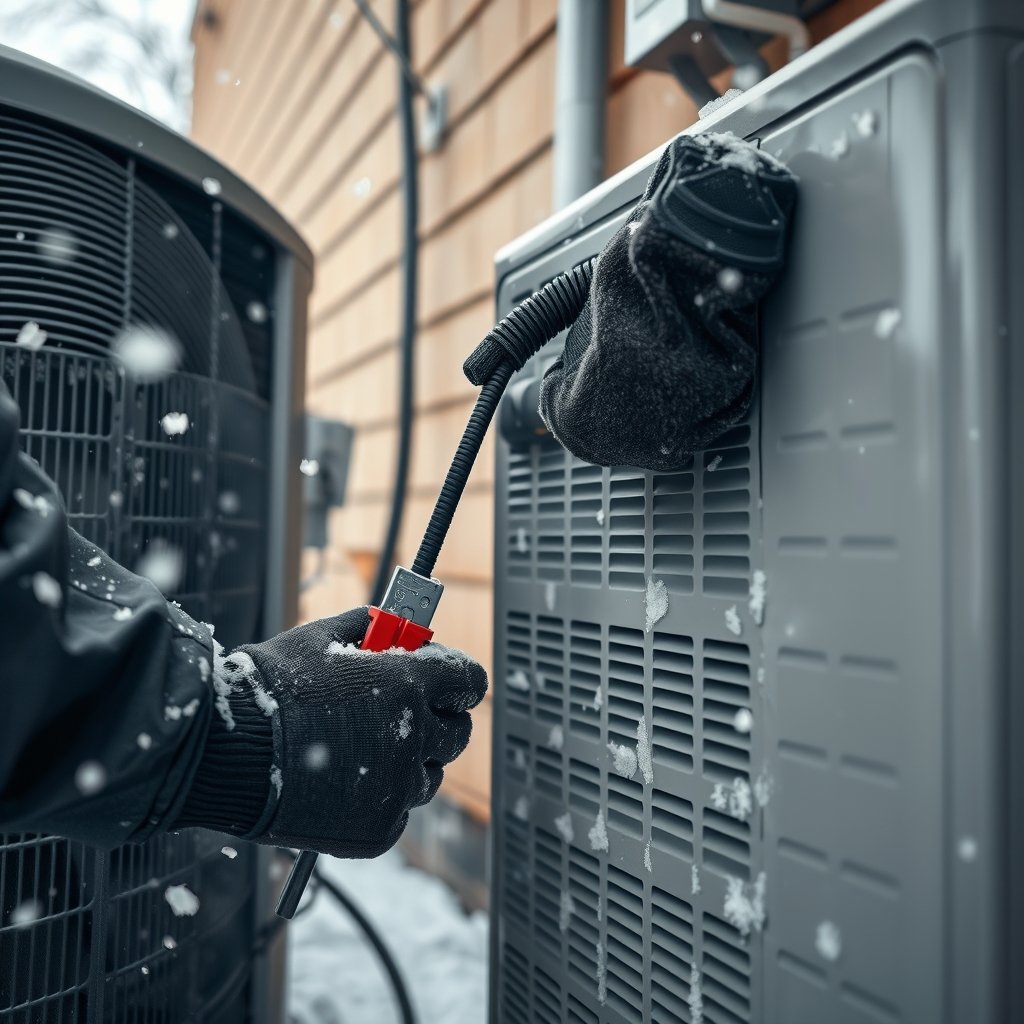
Schedule annual clean-and-checks, especially for outdoor coils and defrost systems. Freezing rain or drifting snow can cause real-world problems; ask how to keep outdoor units clear.
For homes tackling advanced upgrades, see our step-by-step on EV Ready Electrical Panels to avoid common electrical upgrade surprises when moving to high-performance HVAC.
Advanced Analysis & Common Pitfalls: What Can Go Wrong?
While cold climate heat pumps continue to advance, honest analysis shows several areas where things can go wrong—or at least need close attention before you buy.
Common Pitfalls and Symptoms
- System Undersizing: Many comfort complaints in real homes arise because the heat pump was sized for average days, not cold snaps. At 0°F, the system can’t keep up and switches to expensive backup heat—or leaves you chilly.
- Poor Low-Temperature Data: Some units are sold as “all climate” but lose most heating power below freezing. Always demand cold-weather capacity numbers in writing.
- Installation & Duct Issues: A leaky duct or poor line set install can drop real capacity by 10% or more, undermining even a great unit.
- Room-to-Room Discomfort (Mini-Splits): Ductless heads heat their own zone only. If a bedroom gets less airflow, it might lag way behind the living area on frigid nights.
- Over-Reliance on Backup Heat: If your backup is electric resistance and it runs hours per day, your bill can spike—especially if the system wasn’t optimized to run the heat pump first.
- Upfront Cost and Economics: Expect to pay more initially than for a straight furnace swap (sometimes 1.3x to 2x more depending on electrical upgrade needs and local incentives).
Cold-Climate Heat Pumps vs. Gas Furnaces: At a Glance
| Metric | Cold Climate Heat Pump | Legacy Heat Pump | High-Efficiency Gas Furnace | Dual-Fuel System |
|---|---|---|---|---|
| HSPF2 (2024 leader) | 8.5–10.5+ | 6–8.5 | – | Varies (by component) |
| COP at 5°F | ≥1.75 (often 2.0+) | 1–1.5 | ~0.95 (combustion efficiency) | Switches to 0.95 as needed |
| Minimum Operating Temp | -22°F to -25°F | 20°F to 0°F | Any (as long as gas is available) | Any |
| Capacity Retention @ 5°F | 70–100% | Often <40% | 100% | 100% on gas stage |
| Installed Cost | $$–$$$ | $–$$ | $–$$ | $$$ |
| Lifetime Operating Cost (Electric/Gas Mix) | Low/Moderate (if matched to rates & size) | High in deep cold | Moderate (gas price dependent) | Low/Moderate (balance point dependent) |
| Maintenance Complexity | Low/Medium | Low | Low/Medium | High |
Typical Real-World Issues & Solutions
-
Ductless Mini-Split Challenges in Arctic Cold:
- Some systems can continue operating at -22°F but may produce only 70% of their rated output. If this zone was marginally sized, you will need backup heat.
- Room-to-room temperature gaps are common. Zoning is both a benefit and limitation—if you want even comfort everywhere, consider how heads are placed and how doors are managed.
- Owner “Not Keeping Up” Complaints: Research shows most of these result from undersized systems or poor installation rather than technical capability. The most resilient homes ask for both capacity and field data upfront.
- Maintenance Gaps: Snow drift or blocked outdoor coils will kill performance on the coldest day. Regularly clear outdoor units and plan ahead for ice management.
Looking for strategies to optimize efficiency? Our proven guide on Low GWP Refrigerant Heat Pump: 7 Amazing Ways to Boost Efficiency offers actionable tips for even deeper savings.

Conclusion: Should You Switch?
Cold climate heat pumps are now a reliable, efficient option for homes even in frigid regions, but making the switch only pays off if you demand—and verify—cold-weather performance, capacity retention, and real-world install quality. If you skip these, the risks of “not keeping up” or high energy bills are real.
Always compare installed costs and local fuel rates, but remember that efficiency at 5°F or below matters much more than headline specs. If you’re considering replacing your old furnace, demand written proof that your cold climate heat pump can actually deliver, and only choose a contractor who can guarantee performance in your actual climate. For more on indoor comfort upgrades, see our Indoor Air Quality Upgrade guide. Ready to explore your options and claim new incentives? Contact a qualified installer and ask for these “cold-climate musts” before you commit.
Frequently Asked Questions
How do I know if a heat pump is truly “cold climate” rated?
Look for ENERGY STAR cold-climate certification (COP at 5°F ≥1.75, at least 70% of capacity retained at 5°F), or check for NEEP-listed models. Always ask to see COP and capacity at 5°F, 0°F, and your local design temp—not just the HSPF2 value. You can review the official specs at ENERGY STAR’s product criteria.
Will a cold climate heat pump save money compared to my gas furnace?
It depends on your local electricity and gas rates, your insulation level, and whether the system is sized for most heating hours rather than just mild days. Field data suggest they are often competitive or cheaper over time, but only if backup heat use is minimized. If electricity is very expensive and you use backup often, savings may disappear.
What are the most common problems with mini-split systems in severe cold?
The most frequent issues are reduced capacity in deep cold (especially in badly insulated rooms), uneven comfort from zone-to-zone, and the need for extra backup heat during the worst cold snaps. Maintenance of the outdoor unit is critical—keep it free of snow and ice to ensure peak operation.
Can my existing electrical panel handle a cold climate heat pump?
Possibly not—many older panels are undersized for the additional load of a modern heat pump, especially if adding electric backup heat. Consult an electrician about upgrades; EV Ready Electrical Panel tips also apply to high-demand HVAC retrofits.
Where can I find real-world performance data, not just lab numbers?
Ask your installer to supply DOE Cold Climate Heat Pump Challenge field reports or independent monitoring studies (see this DOE field report). These give median and worst-case performance at actual outdoor temperatures.