

EV ready electrical panel upgrades are quickly becoming a must-have for homeowners charging electric vehicles at home. Most people are shocked to discover how much their panel affects EV charging installation costs, safety, and even rebate eligibility. This guide cuts through the confusion: showing you what an EV ready panel is, how upgrades impact charger installation, and where typical projects go wrong—including the latest cost data and actionable steps.
Key Takeaways
- Upgrading to an EV ready electrical panel is often required for Level 2 charger installs, especially in homes with 100A service or limited breaker space.
- Panel upgrades can add $1,500–$5,000+ to EV charger installation costs. Total project costs commonly rise to $3,000–$7,000 when upgrades are needed.
- Getting the right panel and permits reduces the risk of failed inspections, future electrification headaches, and costly surprises.
- What Is an EV Ready Electrical Panel and Why Does It Matter?
- How to Check and Upgrade for EV Charger Installation (Step-by-Step)
- Real-World Cost Analysis & Where Homeowners Go Wrong
- Conclusion
- FAQ
What Is an EV Ready Electrical Panel and Why Does It Matter?
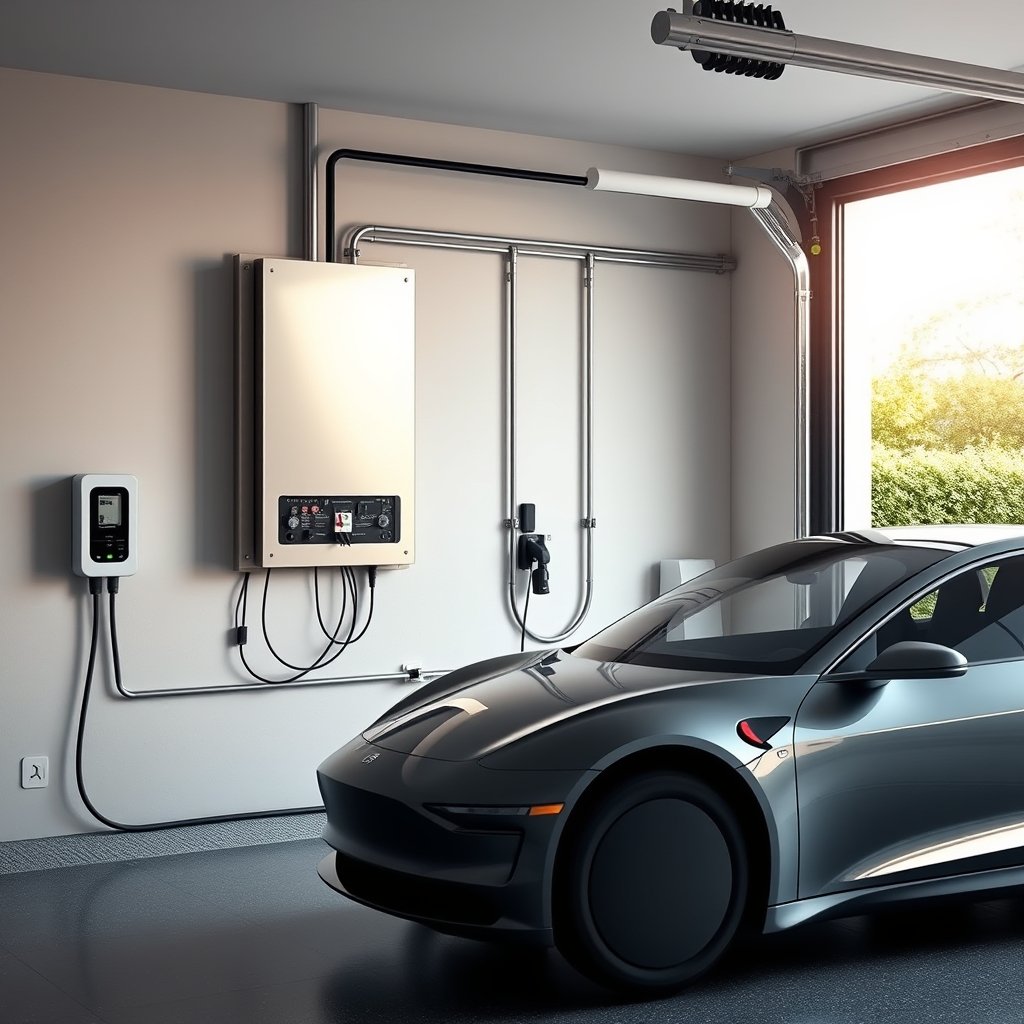
An EV ready electrical panel is a home’s main (or sub) panel that’s set up to safely and legally power a Level 2 charger, usually 240V. This means:
- It has enough unused capacity (amps) to add a continuous EV charging load,
- There is a free breaker space (or ability to add a branch circuit),
- The panel meets code requirements for your state or city permits, and
- If labeled “EV ready,” it’s often marketed as prepared for current and future EV charging needs—without requiring further panel or major wiring upgrades.
If your panel falls short, you risk failed permits, costly rewiring, or even dangerous overloads. Most home upgrades are triggered when there’s not enough service or breaker space, especially with 100A panels found in older homes. Find out what your home needs before committing to a charger project.
How to Check and Upgrade for EV Charger Installation (Step-by-Step)
Installing a Level 2 charger can be simple—or it can balloon in cost and complexity if your electrical panel isn’t up to the job. Here’s how to find out what you need, and navigate the process for best results:
- Determine Your Charger Requirements
- Decide which EV and charger type you want (hardwired, plug-in, NEMA 14-50 outlet, etc.)
- Check the charger’s amp rating (usually 32A–48A for home Level 2 units)
- Inspect Your Existing Panel
- Identify your main panel’s service rating: 100A, 150A, or 200A (check panel label or main breaker size)
- Count spare breaker slots
- List existing high-load appliances (A/C, electric dryer, oven, etc.)
- Perform a load calculation or Have a Pro Assess
- Either use a load calculation worksheet or bring in a licensed electrician
- If total load + charger exceeds safe limits, upgrade options are needed
- Budget for panel upgrades If Needed
- Expect $1,500–$5,000+ for a panel upgrade (see benchmark costs)
- Get multiple quotes as prices vary by region and panel work required
- Permits, Inspection & Documentation
- Apply for municipal permits ($50–$300+, sometimes over $500 in big cities)
- Prepare charger specs, panel schedule, and have a load calculation ready for inspection
- Install and Test
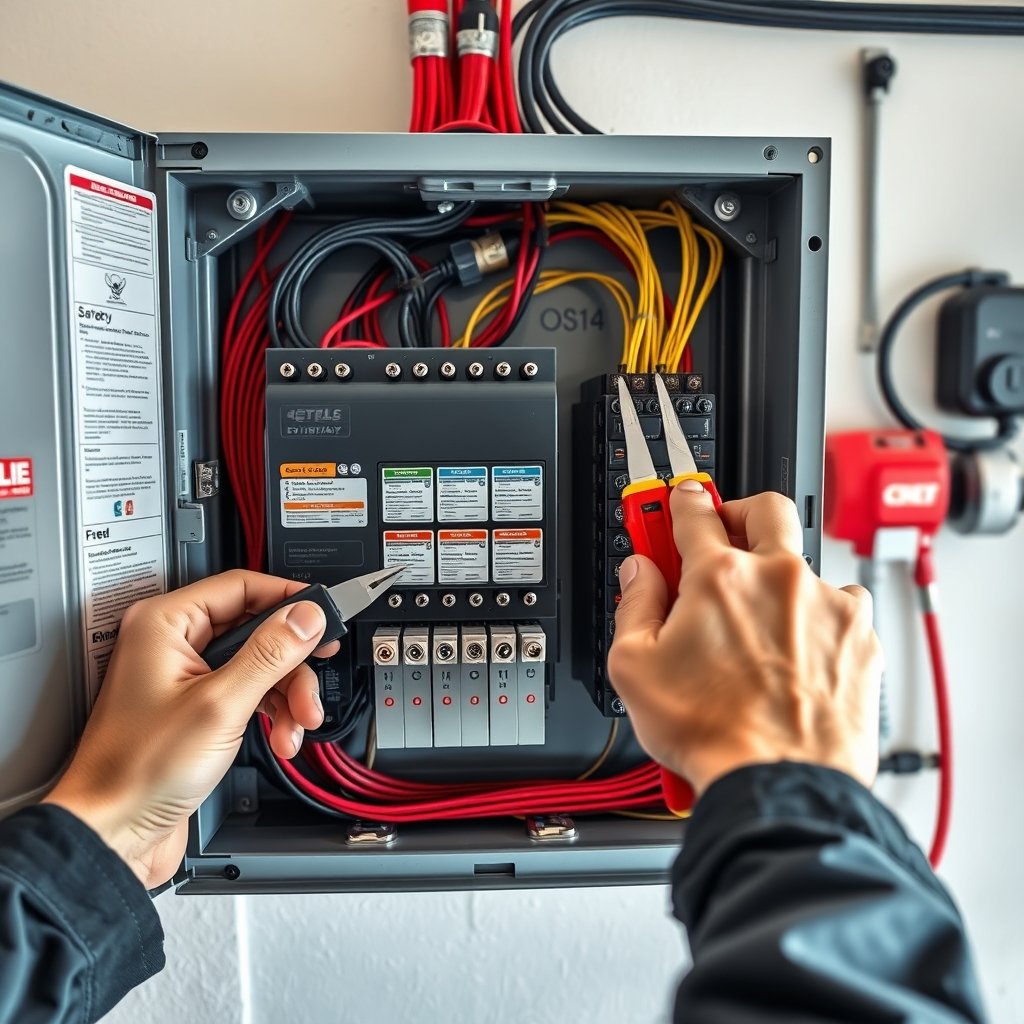
- Panel upgrades are typically pro jobs
- Have the installer verify code compliance and your city schedules a final inspection
Be realistic: wiring distance, wall type (drywall vs. brick), and whether trenching/exterior work is needed will all impact labor cost. Meter the distance from your panel to proposed charger location before calling for quotes.
Real-World Cost Analysis & Where Homeowners Go Wrong
Cost, code compliance, and wiring plans are the three make-or-break factors for a successful EV ready upgrade. Based on 2024–2026 research, here’s how costs break down and common pitfalls to avoid:
| Component | Cost Range | Key Notes |
|---|---|---|
| Charger Hardware | $400–$1,200 | Level 2 charger unit, varies by features |
| Labor + Wiring | $400–$1,800 | Distance/panel access affects cost |
| Permits & Inspection | $50–$300+ | Some cities reach $500+ |
| Panel Upgrade | $1,500–$5,000+ | If extra service/capacity is required |
| Total Typical Project | $1,200–$3,000 | Straightforward install (no upgrade) |
| Total with Panel Upgrade | $3,000–$7,000+ | When upgrade is needed |
Common User Frustrations and Mistakes
- Service capacity confusion: Many think “breaker space” is enough—it isn’t. The main panel rating limits how much can be safely added. 100A panels rarely support new 40–48A EV circuits unless total home load is low.
- Hidden upgrade costs: Homeowners expect a $600–$1,200 install, then discover panel, trenching, or permit fees doubling or tripling the price.
- DIY shortcuts: Skipping permits, undersized wiring, and ignoring true load calculations can fail inspection or risk fire insurance issues later on.
- Mismatched expectations: A NEMA 14-50 outlet (plug-in) outlet seems cheap, but long wire runs, tough walls, or no panel space can still spike costs above $2,000.
- Incomplete quotes: Many installer bids exclude permits or panel work, so compare apples-to-apples and insist on full scope details. Refer to our comparison of EV charger installation cost breakdown and a detailed Level 2 vs Level 1 charging cost analysis to see actual examples.
Permit and Inspection Traps
- City permit costs vary $50–$300+, with major metros sometimes topping $500. Always check local requirements before work begins. Our city-by-city EV charger permit guide is continually updated.
- Typical inspections require panel schedule, EV charger spec sheets, and a signed load calculation. Missing documents delay your project.
NEMA 14-50 Trends for 2024
- Plug-in (NEMA 14-50 outlet) installs are cheaper upfront but may be limited by your panel’s capacity or allowed wiring locations. See recent cost benchmarks.
- Some EVs and setups require hardwired stations for max amp ratings—confirm with your car’s specs and your electrician.
Rebates and Incentives
- Most incentives do not automatically cover panel upgrades. Separate applications and eligibility checks are required. Detailed rebate matrices by city/state can be found in our EV charger rebate directory.
- 2026 rebate specifics change often—always check current program status before purchase or scheduling installs.
Conclusion
Getting your home EV ready electrical panel sorted before you buy a charger is the single best way to control costs and headaches. Panel upgrades are increasingly common—and often essential for high-powered Level 2 charging. By planning ahead, verifying your electrical service, and budgeting for possible upgrade and permit costs, you set yourself up for smoother home charging and better long-term electrification. Compare quotes, check available rebates, and don’t skip code compliance—your safety and wallet depend on it.
Ready to get started? Review your panel today, check out our full residential EV panel upgrade guide, and use our EV charger eligibility checker to see if your home is ready.
FAQ
How do I know if my panel is “EV ready”?
An “EV ready” panel must have enough spare breaker space and total amp capacity to add a dedicated 240V circuit for a Level 2 charger, plus room for future electrification. If in doubt, check your service rating and use a load calculation or consult a professional.
Is a panel upgrade always required to install a Level 2 EV charger?
No, not always—but if your home has a 100A panel, is near capacity, or has no free breaker slots, upgrades are commonly needed. Homes with 200A service are more likely to have enough capacity for a new charger circuit.
How much does a typical EV charger panel upgrade cost?
In 2024, a panel upgrade for EV charging usually costs $1,500–$5,000+, depending on amperage, local labor rates, and permit/inspection fees. Total installation (with charger and permits) is often $3,000–$7,000.
Can I install a NEMA 14-50 outlet myself for EV charging?
DIY installs are risky and often fail inspection—proper installation requires permits, correct gauge wire, and code-compliance. Always hire a licensed electrician if you aren’t experienced with high-power electrical work. See our EV home charging installation safety tips for more info.
Do rebates cover panel upgrades as well as chargers?
Some incentives do, but many focus only on the charger itself. Carefully check your state or utility program rules. For a breakdown by location, see our EV panel upgrade incentive map.