

### Blog Post:
Indoor air quality upgrade is the foundation for a healthier, more comfortable, and productive home. In 2024, scientific research confirms that it’s one of the most cost-effective improvements you can make, with measurable impacts on health and economic outcomes. Done right, it is about much more than just swapping HVAC filters—it’s a whole-system shift that future-proofs your indoor environment.
Key Takeaways
- Proper indoor air quality upgrades reduce asthma attacks, absenteeism, and sick days, with proven economic benefits according to EPA’s 2024 analysis.
- Upgrading IAQ requires more than filter changes—effective solutions demand attention to ventilation, sealing, and ongoing maintenance.
- Whole-home air filtration and ventilation strategies are essential for protection against wildfire smoke, allergens, and persistent indoor pollution.
- What Is an Indoor Air Quality Upgrade and Why It’s Essential in 2024
- How to Upgrade Your Home’s Indoor Air Quality: Step-by-Step Guide
- Advanced IAQ Analysis and Common Pitfalls in Home Upgrades
- Conclusion
- Frequently Asked Questions
What Is an Indoor Air Quality Upgrade and Why It’s Essential in 2024
An indoor air quality upgrade is a comprehensive set of changes that together transform how your home manages, filters, and refreshes the air you breathe. Unlike a standard HVAC upgrade—which may only improve heating or cooling efficiency—an IAQ upgrade targets health: it’s about removing asthma triggers, fine particles (like PM2.5 from wildfire smoke), volatile organic compounds, allergens, and excess moisture that can drive mold growth.
The 2024 evidence is clear. According to EPA data and systematic reviews, homes and buildings with upgraded IAQ systems see:
- Up to 33% fewer daytime asthma attacks
- Substantial reductions in PM2.5—the fine particulate pollution most dangerous for breathing
- Measured improvements in resident health and work performance—delivering economic benefits in the range of $13.2 to $32.1 billion per year in the U.S. alone
Upgrades go beyond filters—you need better ventilation, controlled fresh air delivery, moisture management, and well-designed high-efficiency filtration. Healthy buildings fetch higher rents and create productive, comfortable living that buyers notice—even if few real estate listings yet highlight “indoor air quality upgrade” status.
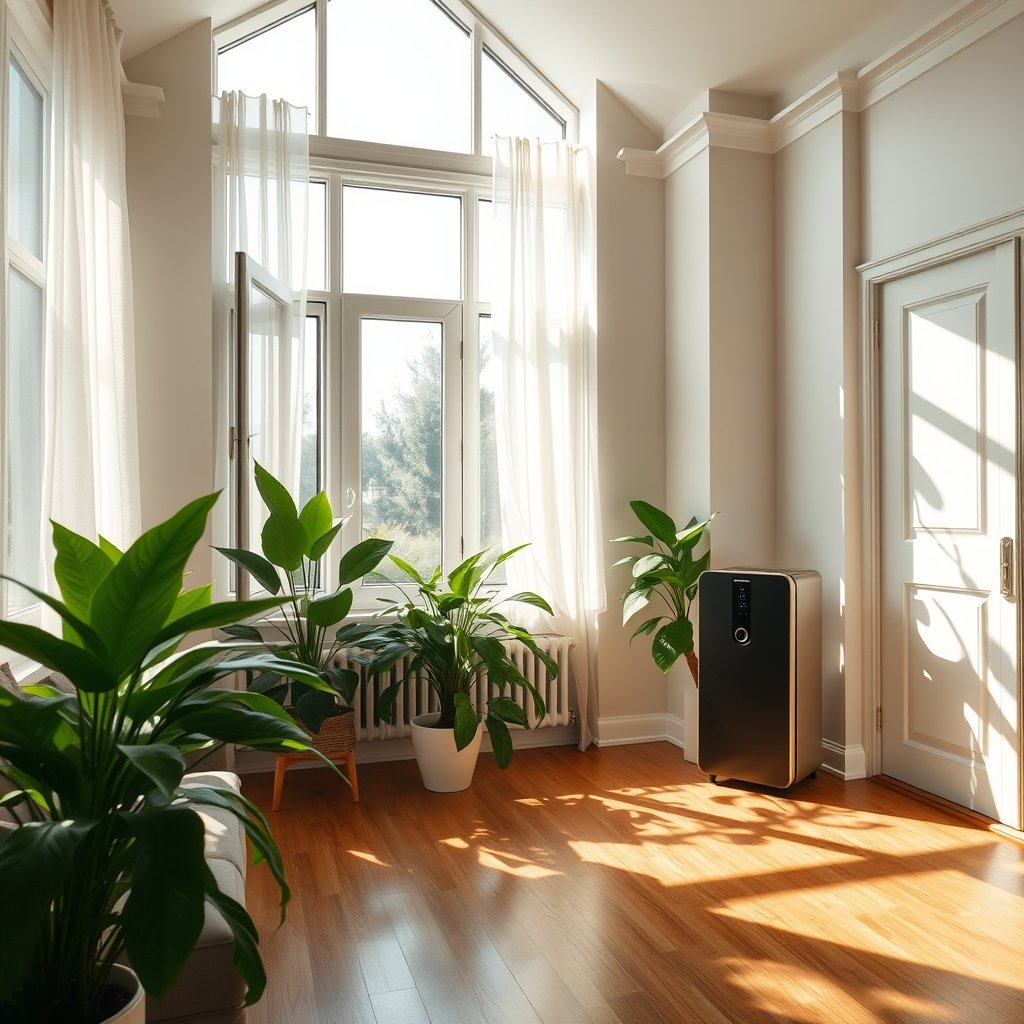
How to Upgrade Your Home’s Indoor Air Quality: Step-by-Step Guide
- Diagnose your current IAQ: Use affordable monitors to detect PM2.5, humidity, and CO2 levels throughout the day. Don’t guess—most homes have hidden problem spots.
- Seal up infiltration points: Identify and fix air leaks around windows, doors, and penetrations. Every uncontrolled leak undercuts filtered air.
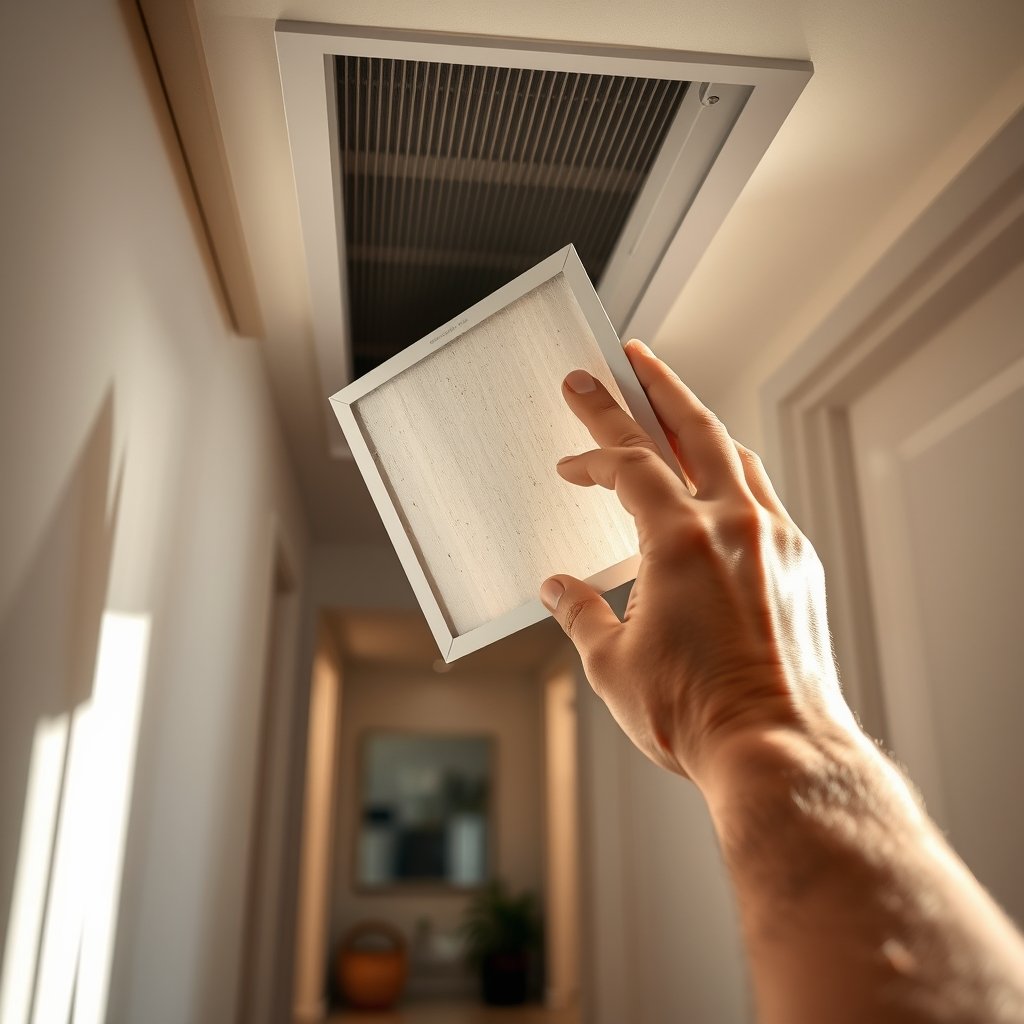
- Add or upgrade filtration: Switch to at least MERV 13 filters in your main air handler. But only if your system can handle the additional air resistance—check specs or consult a pro.
- Integrate mechanical ventilation: Meet or exceed ASHRAE 62.2 ventilation requirements by adding either an ERV, HRV, or a smart ventilation control that brings in filtered outdoor air at a measured, balanced rate.
- Address humidity control: Keep indoor relative humidity between 30 and 50 percent to reduce mold, dust mites, and allergen triggers. Use integrated humidifiers/dehumidifiers as needed—standalone units can help, but whole-home systems perform best.
- Install and maintain air quality monitors: Ongoing monitoring catches issues early—especially during wildfires or pollen seasons.
- Commit to maintenance: Change filters on schedule, and service ventilation and filtration equipment annually to ensure performance.
Looking for product recommendations? See our in-depth best air purifier for wildfire smoke in the house and best humidifier for allergy relief buyer’s guides.
If you own a rental or manage properties, check our guide on healthy housing upgrades for landlords to understand code obligations and opportunities to boost tenant satisfaction.
Advanced IAQ Analysis and Common Pitfalls in Home Upgrades
Even high-budget IAQ upgrades can disappoint if critical pitfalls are ignored. Here’s what research and retrofit case studies reveal:
| Common Pitfall | Why It Happens | How to Solve It |
|---|---|---|
| High-MERV filters causing poor airflow or noisy operation | System not sized for higher resistance; older blowers or undersized returns | Resize ducts/returns, upgrade blower motor, or use multiple return paths. Always check pressure drop ratings. |
| Allergy/wildfire upgrades that don’t work as hoped | Filtration added without sealing leaks or controlling ventilation; pollutants sneak in | Air-seal the home, and implement controlled/measured mechanical ventilation plus filtration. |
| Mold and dust mite triggers persist after upgrade | Ignore humidity control; focus only on particles | Keep relative humidity 30-50%. Use integrated humidity management. |
| Filters or equipment not maintained | Forgetting or skipping filter changes or annual checks; system performance quietly drops | Set reminders. Use air quality monitors to see when filtration or ventilation lags behind targets. |
| Stale indoor air despite expensive HVAC install | Ventilation not balanced; no fresh air delivery or improper exhaust supply | Retrofit or install ERV/HRV units as appropriate (ERV vs HRV for homes compared here). |
| Inadequate wildfire smoke control | Only portable air purifiers used; no whole-home solution or air sealing | Consider a whole-house filter plus controlled ventilation to fully protect during smoke events. |
Property value changes are harder to quantify. The strongest 2024 evidence points to healthier buildings producing indirect economic gains through higher productivity and fewer sick days, rather than direct increases in sale value. For more on energy upgrades that also impact resale, see does an air purifier increase home value?
For wildfire-prone regions, focus on these three overlooked essentials:
- Pressure drop vs airflow: Choose filters that don’t choke airflow, or compensate with ductwork/blower adjustments.
- Whole-house leakage and ventilation: Air sealing + smart ventilation controls reduce particle ingress, not just filtration alone. EPA guidelines recommend balanced approaches.
- Maintenance and ongoing monitoring: A stagnant filter or mis-calibrated ventilation system will leave you at risk. Use particle sensors and schedule routine checks.
What about cost? While 2024 pricing for ASHRAE 62.2-compliant whole-home systems varies by region, design, and integration needs, industry reports state that properly designed ventilation upgrades are almost always cost effective over time, especially for homes in high-pollution or wildfire-affected areas. For the best results, partner with a contractor who specializes in IAQ solutions, not just standard HVAC replacements.
For a full air quality system comparison by region or home type, check our air quality upgrade checklist.

Conclusion
By investing in a genuine indoor air quality upgrade, you can cut allergy and asthma risks, protect against wildfire smoke, and build a healthier, more valuable home. The recipe for success is whole-system change: solid air sealing, mechanical ventilation, high-efficiency filtration, and consistent monitoring and care. Most importantly, don’t expect a single filter swap to solve the underlying air quality problems—take the comprehensive approach, and you’ll see and feel the difference.
Ready to future-proof your health with an indoor air quality upgrade? Assess your home’s needs, prioritize ventilation and filtration improvements, and start breathing easier today.
Frequently Asked Questions
Do I need a new HVAC system for an indoor air quality upgrade?
Not always. Many existing systems can be retrofitted with higher-efficiency filtration and ventilation add-ons, but system sizing and airflow capacity should be verified by a specialist.
Can whole-home air filtration remove wildfire smoke particles?
Yes, if equipped with a properly sized MERV 13+ filter and paired with controlled ventilation and air sealing. Portable units help in a single room but won’t protect the whole house.
What’s better for allergy control: air purifiers or humidity control?
The most effective approach combines both. Filtration removes allergens and PM2.5, while maintaining 30-50% relative humidity curbs mold and dust mite growth, both strong allergy triggers.
Is improving indoor air quality worth the investment?
Absolutely. Upgrades are among the most cost-effective improvements for health and productivity, with EPA citing billions in annual economic benefits from reduced sick days and enhanced work performance (source).
How often should I change filters in a whole-home IAQ system?
Most filters need replacement every 3-6 months, but frequency depends on usage, filter type, and local air quality. Monitor pressure drop and indoor PM2.5 to guide filter changes.
—